Debit Card EMI Works: Complete Guide

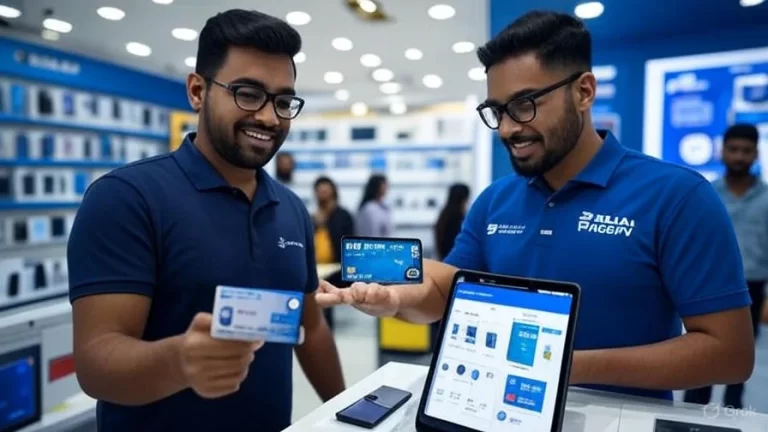
Understanding how debit card EMI works is crucial for anyone looking to make large purchases without straining their finances. But what is debit card EMI? Essentially, it allows you to convert your debit card transactions into Equated Monthly Installments (EMIs). This is particularly useful for individuals who prefer using their debit cards over credit cards, as it minimizes debt accumulation. With the rise of digital banking, numerous banks now offer this facility, making it more accessible to consumers. In this guide, we’ll explore the benefits, practical applications, and how to utilize debit card EMI effectively.

Benefits of Debit Card EMI
The advantages of debit card EMI extend beyond mere convenience. Here are some key benefits:
- Interest Rates: Often lower than credit card interest rates, making it a cost-effective choice.
- No Credit Check: Unlike traditional loans, there’s usually no credit score requirement, making it accessible to more individuals.
- Budgeting: EMIs help in managing finances better by converting large expenditures into smaller, manageable payments.
- Quick Processing: The approval process is usually instant, allowing immediate access to funds.
For example, if you purchase a smartphone worth ₹60,000 using a debit card EMI, you might opt for a 12-month plan at an interest rate of 10%. This translates to monthly payments of around ₹5,500, significantly easing the financial burden compared to a one-time payment
How to Check Debit Card EMI Options
To check if EMI is available on your debit card, visit your bank’s website or contact customer service. For example, to check your Kotak debit card EMI limit, you can log into the Kotak mobile app or website. Similarly, for HDFC, use their online banking portal to access your EMI options. This ensures you stay informed about your financial capabilities and limits.
Common Mistakes
When using debit card EMI, avoid these pitfalls:
- Not reading the terms and conditions thoroughly.
- Overextending your budget by choosing long tenures.
- Ignoring hidden fees associated with EMI processing.
By understanding how debit card EMI works and implementing these strategies, you can leverage this tool effectively for your financial needs.
How to Use Debit Card EMI
Understanding how debit card EMI works can simplify your purchasing experience, allowing you to make significant buys without immediate financial strain. When you opt for debit card EMI, your purchase is divided into manageable monthly installments over a specified period, typically ranging from 3 to 24 months.
To initiate this process, follow these steps:
- Select Your Purchase: Choose the item you wish to buy that qualifies for EMI.
- Check Eligibility: Use your bank’s online portal or app to verify if your debit card is eligible for EMI options.
- Choose EMI Option: At checkout, select the EMI plan that suits your financial situation.
- Complete the Transaction: Make the payment using your debit card. The amount will be deducted from your account, and the EMI plan will be activated.
For example, if you purchase a smartphone for ₹30,000 with a 12-month EMI plan at an interest rate of 10%, your monthly installment would be around ₹2,750. You can also check your debit card EMI limit through your bank’s mobile app, which often provides real-time updates on available limits.
Best Practices for Debit Card EMI
To maximize the benefits of debit card EMI, consider the following best practices:
- Assess Your Budget: Ensure that the EMI fits within your monthly budget to avoid any financial strain.
- Read Terms and Conditions: Understand the interest rates and any additional fees that may apply.
- Use Offers: Many banks, like Kotak and HDFC, frequently offer promotional rates or zero-interest EMIs. Stay updated on such deals.
- Regularly Monitor Your Payments: Keep track of your EMI payments to avoid missing due dates, which could incur penalties.
- Consider Prepayment: If possible, prepay your EMI to save on interest and settle your debt faster.
For instance, a user who frequently checks their HDFC debit card EMI limit and stays informed about promotional offers can optimize their spending and save significantly over time.
Frequently Asked Questions
What is debit card EMI?
Debit card EMI allows you to convert purchases made using your debit card into monthly installments.
Is EMI available on debit cards?
Yes, many banks provide EMI options on eligible debit cards.
How to check debit card EMI?
Use your bank’s mobile app or website to check your EMI eligibility and limits.
How to check Kotak debit card EMI?
Log into your Kotak account online to view your EMI options and limits.
How to check HDFC debit card EMI limit?
Access your HDFC banking app or website for real-time EMI limit updates.
Common Mistakes for EMI
When navigating debit card EMI, users often stumble upon several common mistakes that can hinder their financial goals. Understanding these pitfalls is essential for maximizing the benefits.
- Ignoring Eligibility Criteria: Many consumers fail to check if their debit card is eligible for EMI options. Not all banks offer this feature, and even if they do, specific cards may have restrictions.
- Overlooking Hidden Fees: Some may not realize that converting transactions to EMI might incur additional costs, such as processing or service charges. Always read the fine print.
- Miscalculating Monthly Payments: Users sometimes assume that all payments will be uniform. Variations in interest rates or fees can lead to unexpected payment amounts.
- Neglecting to Check EMI Limits: It’s crucial to check your debit card EMI limit before making a purchase. Exceeding this limit can result in rejection and inconvenience.
To avoid these mistakes, take the time to understand how to check debit card EMI limits through your bank’s app or website. For instance, if you have an HDFC debit card, you can easily verify your EMI eligibility and limits within the mobile application.
Debit Card EMI vs Alternatives
Understanding how debit card EMI works is essential, especially when comparing it with alternatives like personal loans or credit card EMIs. Each option has its pros and cons.
| Feature | Debit Card EMI | Credit Card EMI | Personal Loan |
|---|---|---|---|
| Interest Rates | Typically lower, often around 10%-15% | Higher, ranging from 15%-30% | Variable, usually higher than debit card EMI |
| Processing Time | Instant | Quick but requires approval | Longer, days to weeks |
| Flexible Amounts | Limited to card limit | Higher limits based on credit score | Based on income and creditworthiness |
In conclusion, debit card EMI can be an attractive option for those who want to avoid high-interest rates associated with credit cards or lengthy processes of personal loans. Always consider your financial situation and choose the option that best fits your needs.
How does debit card EMI work?
It allows you to convert your debit card transactions into monthly installments, making large purchases manageable.
Is EMI available on debit card?
Yes, many banks offer this feature, but eligibility varies based on the card and bank.
How to check debit card EMI?
Log into your bank’s mobile app or website to verify EMI eligibility. Check card details, account balance, and terms, or contact customer support for assistance.
How to check Kotak debit card EMI?
MS DCEMI to 5676788 or access Kotak Netbanking. Navigate to the debit card section to confirm EMI eligibility, available limit, and terms.
How to check HDFC debit card EMI limit?
SMS MYHDFC to 5676712, message EasyEMI to 7070022222 on WhatsApp, or call 9643222222 from your registered number to check your HDFC debit card EMI limit and eligibility